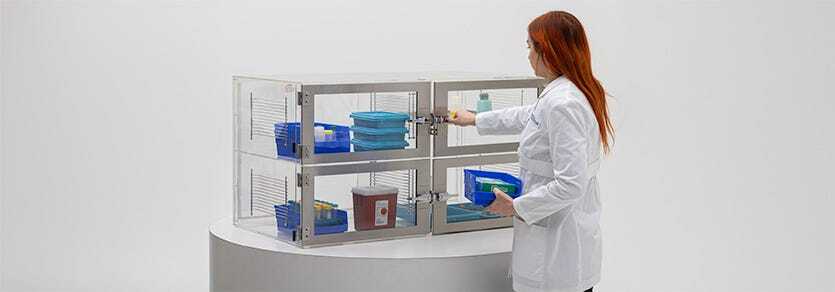
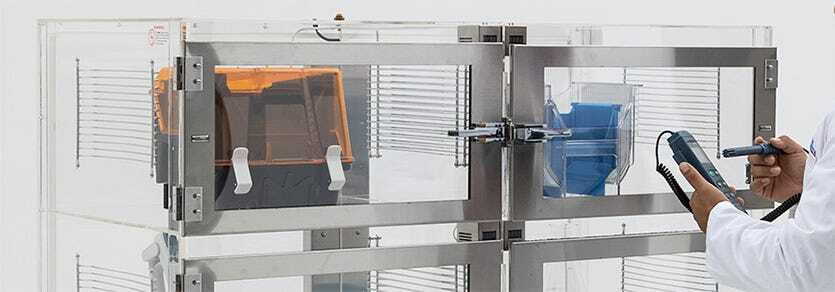
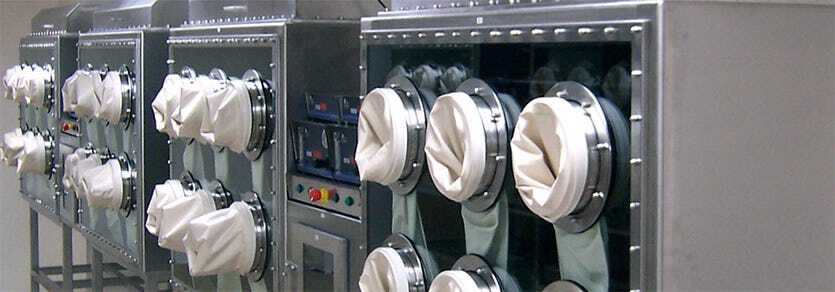
Terra offers a comprehensive range of application-specific desiccator cabinets and nitrogen control systems. These performance concepts will help you select the system right for your application. Nitrogen is the standard medium for contamination-free storage because it is relatively inert—it …
Why Choose Desiccator Storage? As critical components become smaller and more sophisticated, their susceptibility to moisture damage increases. Once absorbed by sensitive components, water creates a number of potentially disastrous conditions. Even minute traces of oxidation, the most notorious …
Compare Terra's Advanced Designs and Fabrication Experience At first glance, most desiccators look pretty similar. It's not until you put them into service—and fill them with delicate, expensive parts—that differences in quality become apparent. When you invest in a Terra desiccator cabinet, you …
This chart is intended as a general guide for various materials and chemicals. It shows some of the materials used in Terra’s products and chemicals likely to be used with them. Testing is strongly recommended for extreme conditions of use, such as prolonged exposure or immersion, high temperatures …
Additive manufacturing (AM), commonly called 3D printing, isn’t just for rocket scientists anymore. Its use has increased exponentially as companies and researchers discover useful applications and innovative methods. Availability of equipment and supplies for performing three-dimensional printing …
This chart is intended as a general guide for various materials and chemicals. It shows some of the materials used in Terra’s products and chemicals likely to be used with them. Testing is strongly recommended for extreme conditions of use, such as prolonged exposure or immersion, high temperatures …
This chart is intended as a general guide for various materials and chemicals. It shows some of the materials used in Terra’s products and chemicals likely to be used with them. Testing is strongly recommended for extreme conditions of use, such as prolonged exposure or immersion, high temperatures …
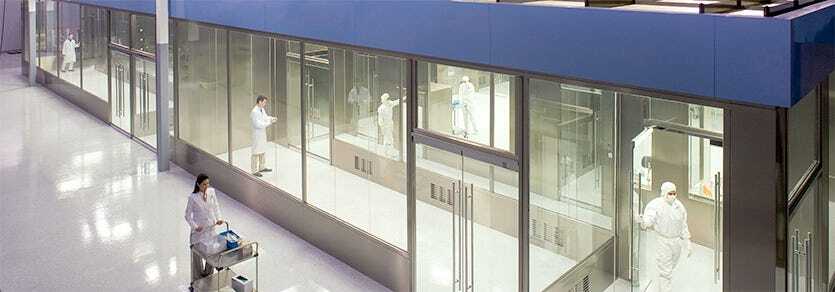
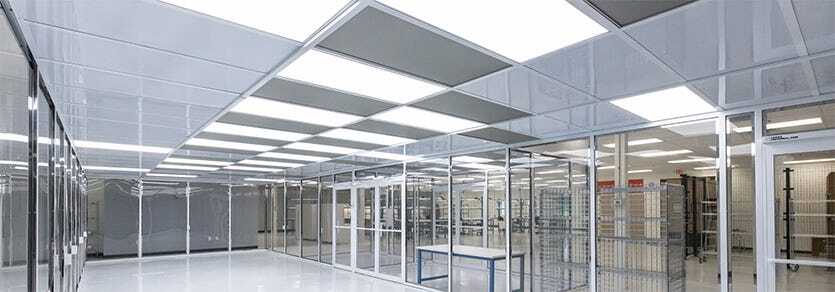
Terra Universal will certify its cleanrooms to guarantee “as built” compliance with cleanliness standards. What matters, though, is how the cleanroom performs in real world applications—in your application, with your personnel and processing equipment. Careful consideration of these operating …
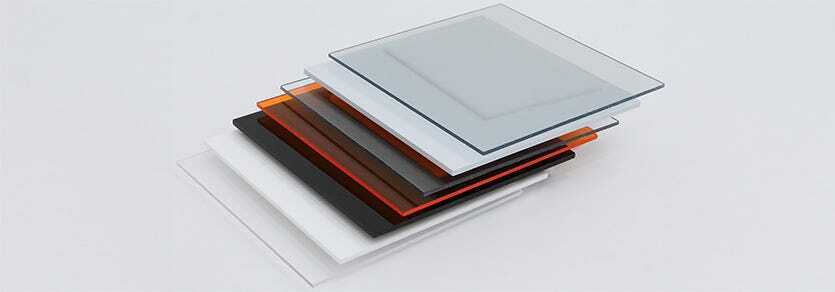
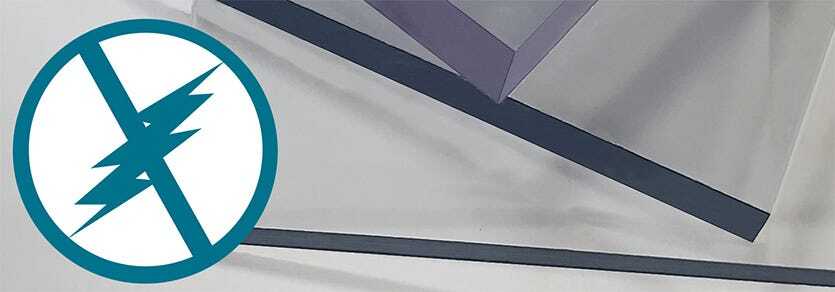
Hidden Costs of Acrylic Enclosures Compared to acrylic, static-dissipative PVC offers three benefits that reduce operating expenses and drive down overall ownership cost of a clean room, glove box, hood, desiccator, or other enclosure. Contamination Control Acrylic is a prolific static generator. …
What is BSL? Biological Safety Level (BSL) is a biocontainment designation system with requirements intended to protect personnel from potentially harmful pathogenic exposure in a research or manufacturing environment. What are the differences among the BSL designations? The Centers for Disease …