

As demand for peptide compounding, GLP-1 compounding, and peptide manufacturing continues to grow, pharmacies and pharmaceutical manufacturers are expanding or upgrading their facilities to meet increasingly stringent contamination control requirements. Whether producing sterile peptide preparations, compounded medications, or peptide-based therapeutics, the cleanroom environment plays a critical role in protecting product quality, patient safety, and regulatory compliance.
But what kind of cleanroom is actually required for peptide compounding?
The answer depends on what is being compounded, whether the preparation is sterile or non-sterile, and which regulations apply to your facility.
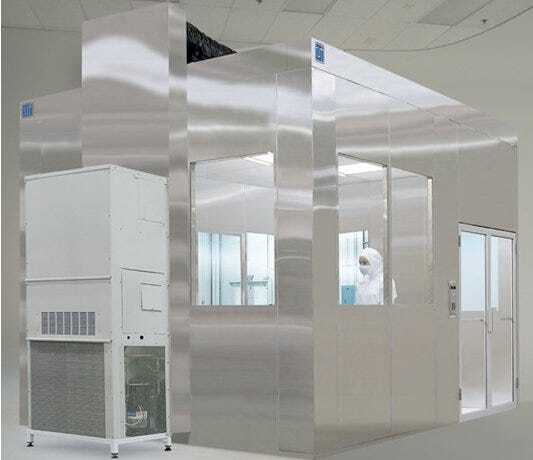
Terra Universal designs and manufactures modular cleanrooms engineered specifically for pharmaceutical compounding, peptide compounding, GLP-1 compounding, and aseptic pharmaceutical manufacturing.
USP <797> and USP <800>: The Foundation for Sterile Peptide Compounding
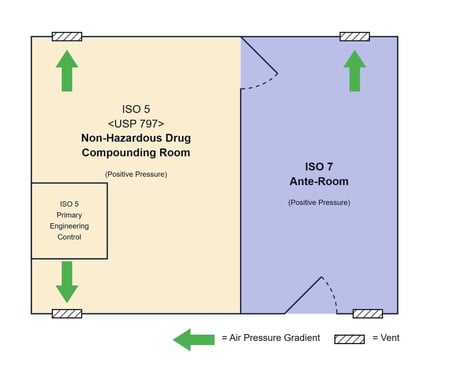
Many compounded peptide preparations are sterile products prepared by compounding pharmacies. When sterile compounding is performed, facilities generally follow the requirements of USP <797>, while preparations involving hazardous drugs must also comply with USP <800>. These standards establish requirements for cleanroom design, environmental monitoring, personnel practices, and engineering controls intended to reduce the risk of microbial and particulate contamination.
A typical sterile compounding suite includes:
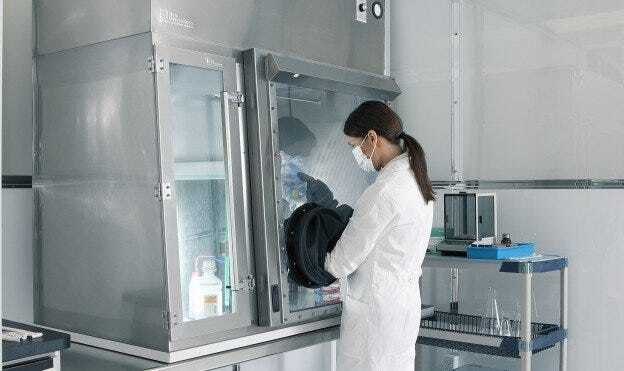
- An ISO Class 7 buffer room housing an ISO Class 5 primary engineering control (such as a laminar flow hood or compounding aseptic isolator)
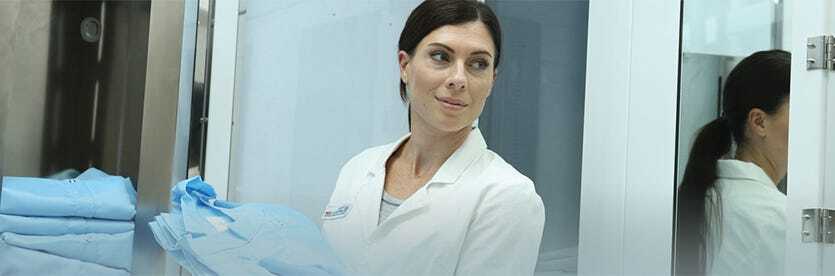
- An ISO Class 8 ante-room for gowning and material preparation
- HEPA-filtered air with properly maintained pressure differentials
- Continuous monitoring of temperature, humidity, and differential pressure
- Easily cleanable, non-shedding wall, ceiling, and floor materials designed for frequent sanitization
Peptide Manufacturing May Require cGMP Facilities
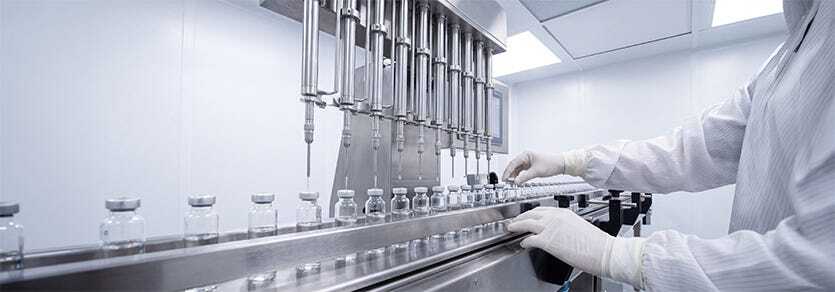
While compounding pharmacies generally operate under USP standards, larger-scale peptide manufacturing facilities frequently manufacture under FDA current Good Manufacturing Practice (cGMP) requirements. These environments often require additional documentation, validation, process controls, and quality systems beyond those typically found in pharmacy compounding operations. The exact facility classification depends on the manufacturing process and applicable regulations.
Regardless of whether your operation is a compounding pharmacy or a pharmaceutical manufacturing facility, contamination control remains the common objective: protecting sterile products from airborne particles, microorganisms, and cross-contamination.
FDA Review Signals Growing Peptide Compounding Demand

The regulatory landscape for peptide compounding is actively evolving. On July 23–24, 2026, the FDA's Pharmacy Compounding Advisory Committee (PCAC) is scheduled to review seven peptides — BPC-157, KPV, TB-500, MOTS-c, Emideltide (DSIP), Semax, and Epitalon — for potential addition to the Section 503A Bulk Drug Substances List. A positive recommendation would give licensed compounding pharmacies a clearer legal pathway to compound these peptides for individual patients. A second PCAC review covering five more peptides — GHK-Cu, Melanotan II, Cathelicidin (LL-37), Dihexa acetate, and Mechano Growth Factor, Pegylated (PEG-MGF) — is expected before the end of February 2027.
For compounding pharmacies and manufacturers, this expanding regulatory attention underscores a simple reality: as more peptides move toward legitimate compounding pathways, facilities need cleanroom infrastructure that's ready to scale and adapt. Whether a facility is compounding an already-established peptide or preparing for future additions to the approved list, USP <797> / <800> -compliant cleanroom design remains the baseline requirement — not the regulatory status of any individual compound.
Cleanroom Features That Matter Most
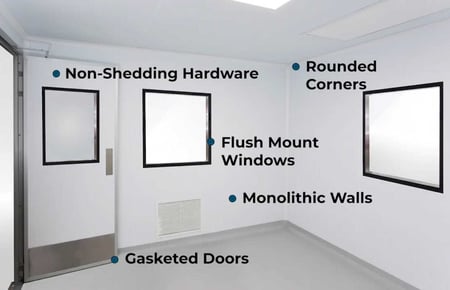
Selecting the proper cleanroom involves more than meeting an ISO classification. Facilities should be designed for long-term compliance, ease of cleaning, and future expansion.
Key considerations include:
- Smooth, non-porous wall systems that resist moisture and microbial growth
- Flush-mounted doors and windows that minimize contamination traps
- HEPA or ULPA filtration capable of maintaining required cleanliness levels
- Continuous environmental monitoring
- Modular construction that can be expanded as production grows
- Integrated lighting, power distribution, and utility access
- Compatibility with laminar flow hoods, pass-through chambers, refrigerators, and other pharmacy equipment
These design elements help simplify routine cleaning while supporting consistent environmental performance.
Why Modular Cleanrooms Are Growing in Popularity
Traditional stick-built cleanrooms often require extensive construction schedules and significant facility modifications. By comparison, modular cleanrooms can typically be installed much faster while providing a controlled environment that can be reconfigured or expanded as operational needs change.
For growing peptide laboratories and compounding pharmacies, modular construction offers advantages including:
- Faster deployment
- Lower installation costs
- Reduced operational downtime
- Simplified future expansion
- Easier relocation if facilities move
Terra Universal USP <797> & <800> Cleanrooms
Available in both BioSafe® uPVC & BioSafe® Stainless Steel configurations, Terra's cleanroom systems are designed to support USP <797> and USP <800> compliant facilities with features including:
- ISO-rated modular cleanroom construction
- Seamless, easy-to-clean wall systems
- HEPA or ULPA filtration options
- Integrated LED lighting and power distribution
- Environmental monitoring for differential pressure, temperature, and humidity
- Complete turnkey packages with pass-through chambers, cleanroom furniture, biosafety cabinet, refrigerators, and other laboratory equipment
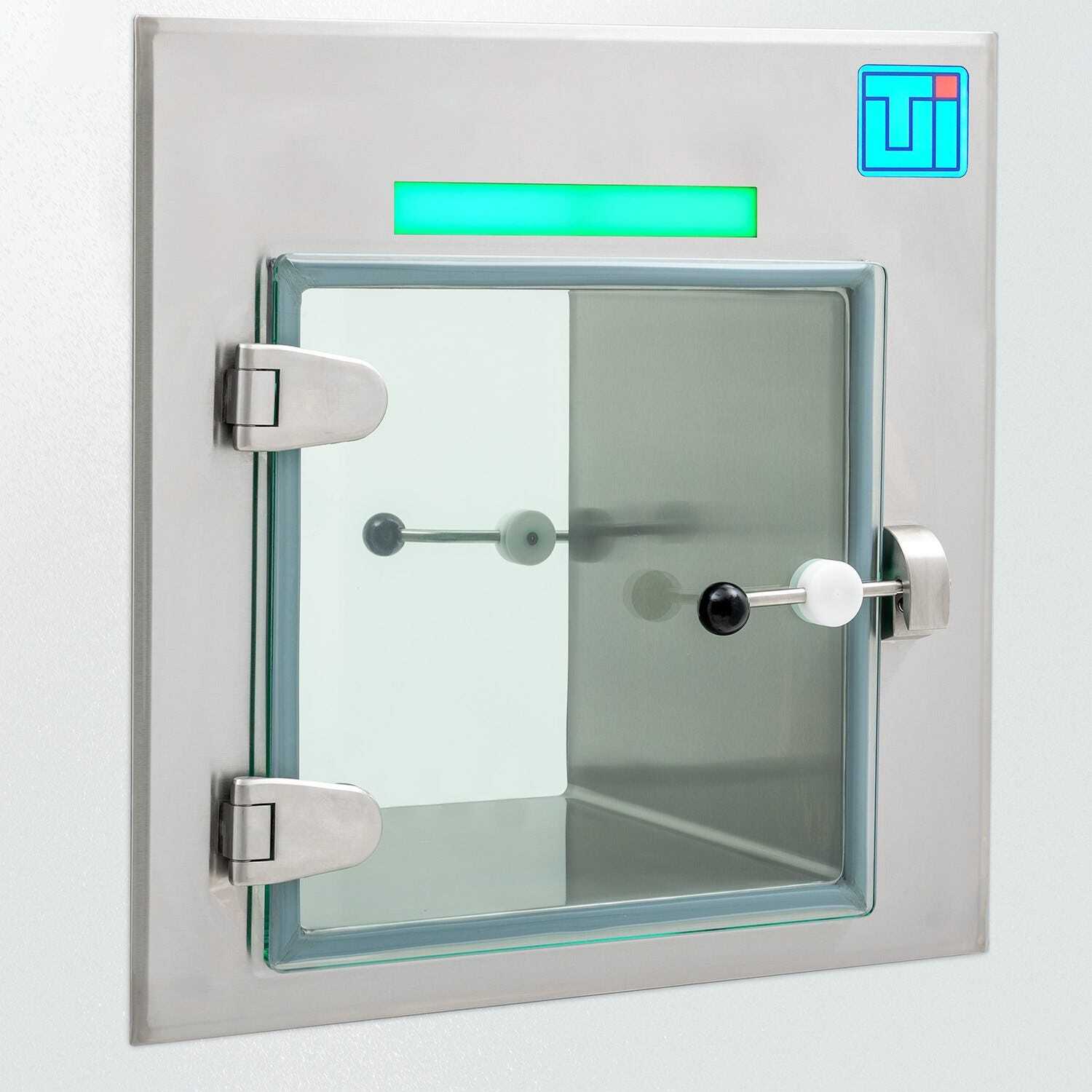
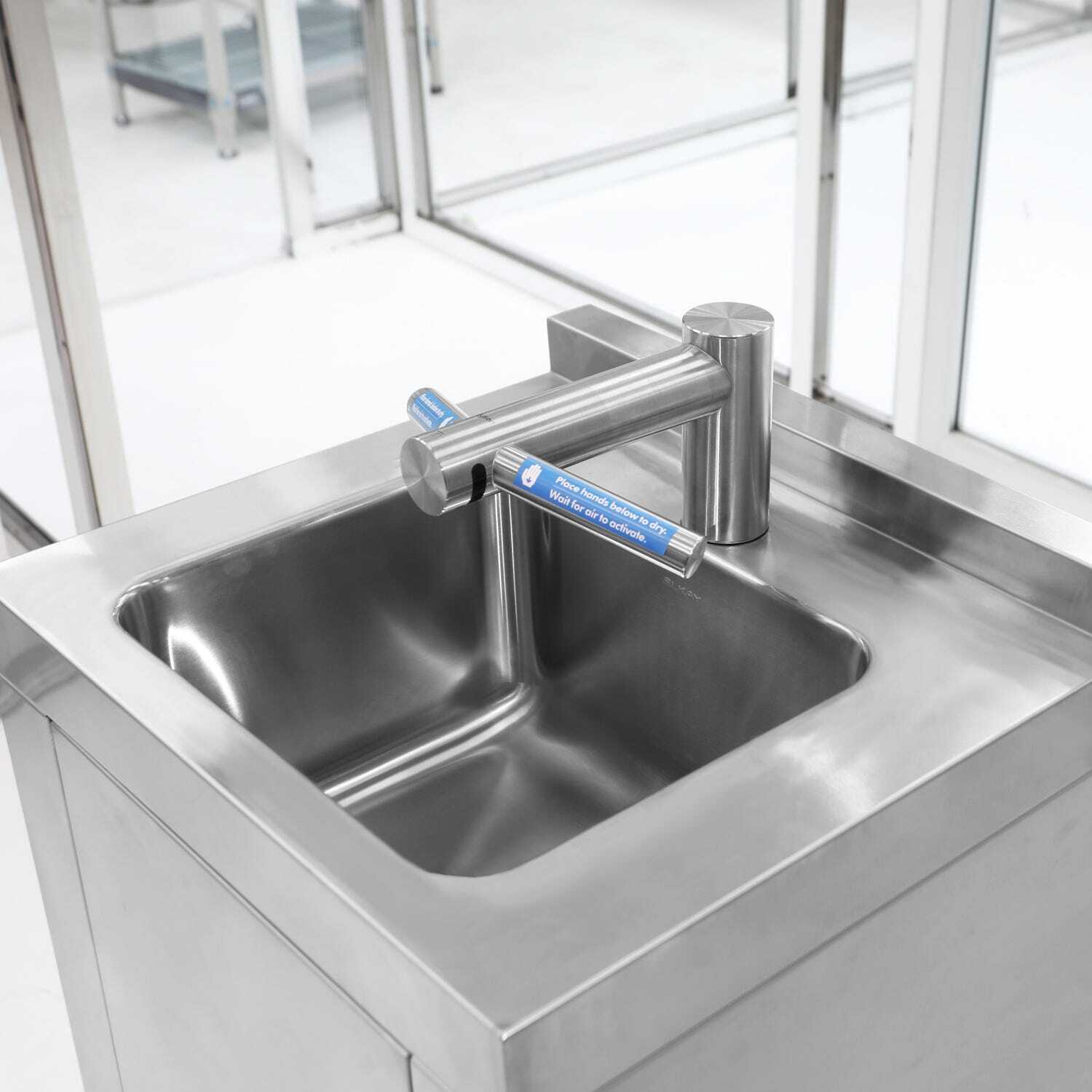
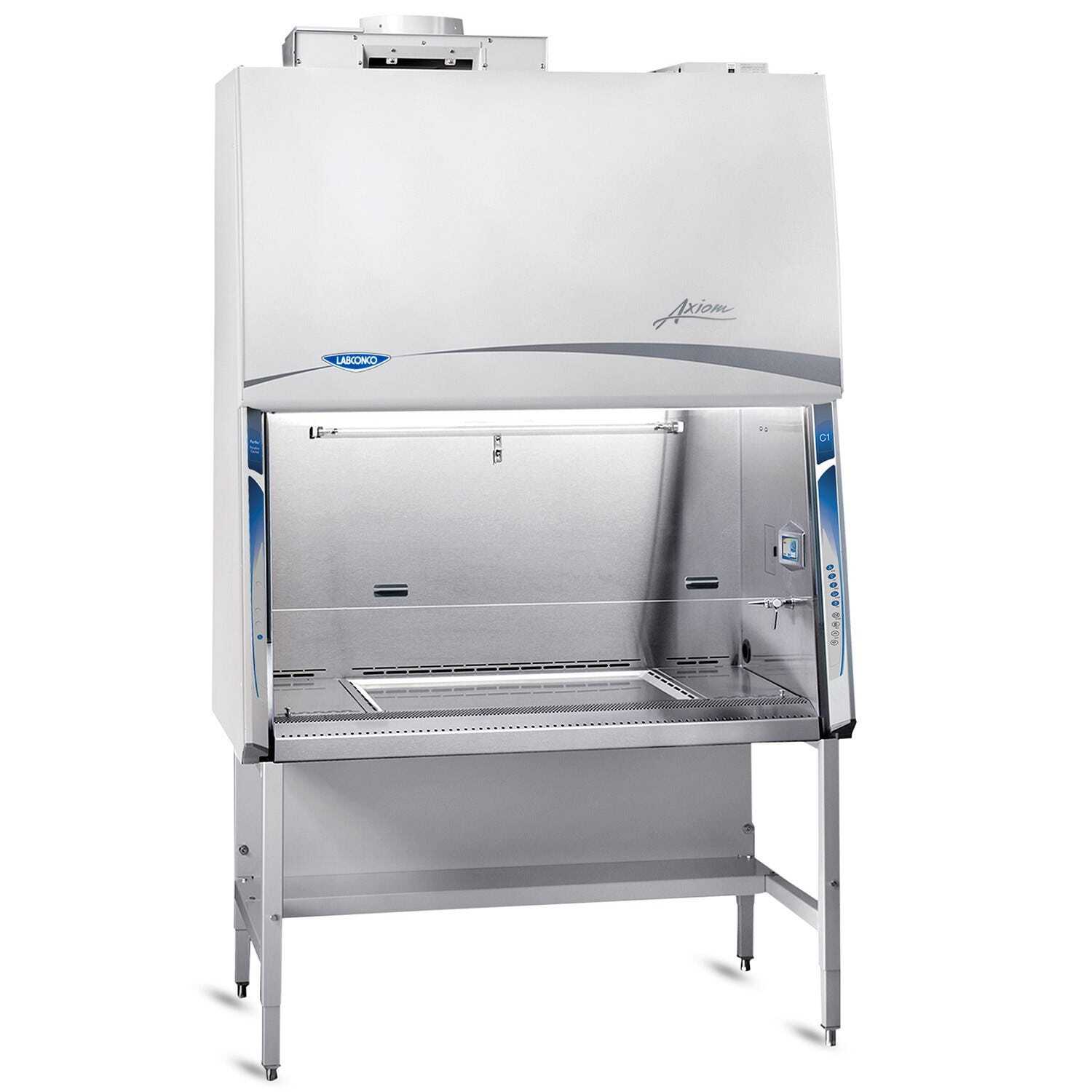
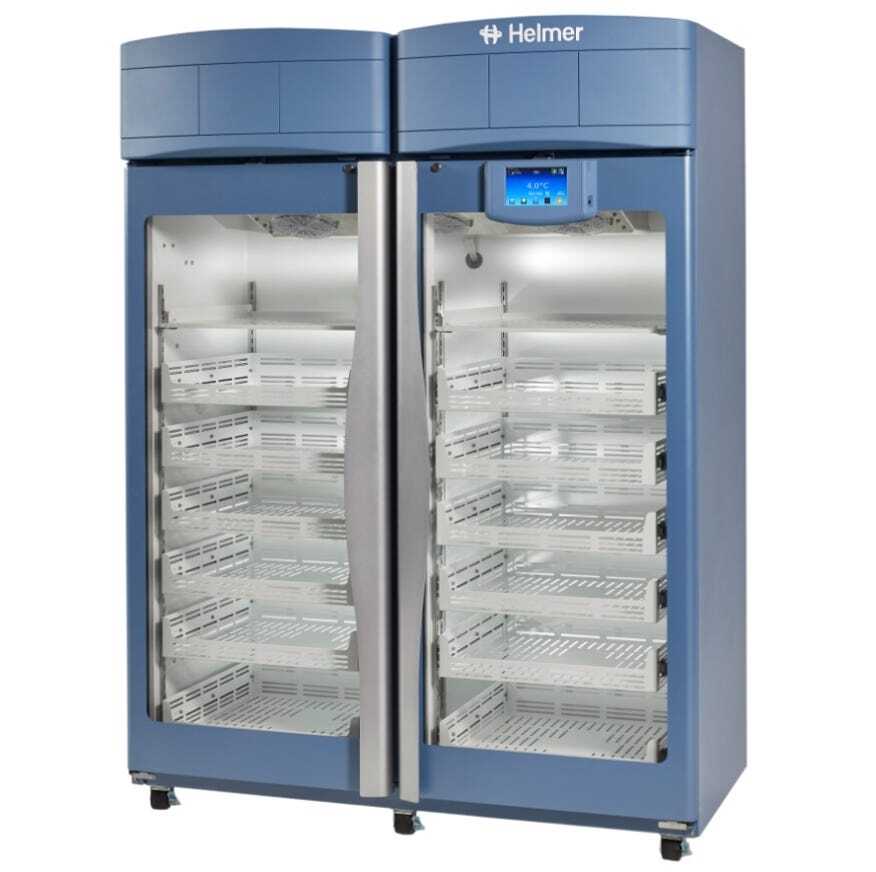
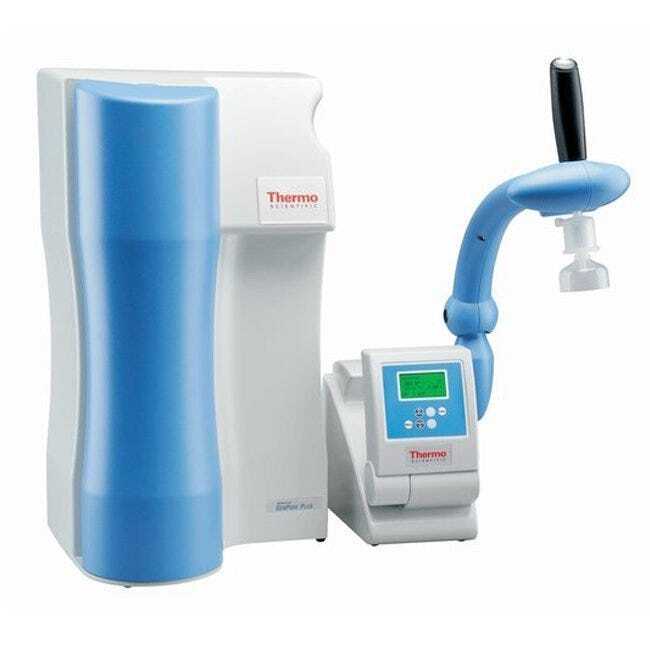
Because every facility has unique workflow and regulatory requirements, Terra's modular systems can be customized for pharmacies, outsourcing facilities, biotechnology laboratories, and pharmaceutical manufacturers.
Planning a Peptide Compounding Facility?
Whether you're expanding an existing compounding pharmacy, launching a new GLP-1 compounding operation, or designing a peptide manufacturing facility, choosing the right cleanroom is one of the most important decisions you'll make.
Terra Universal's modular USP <797> and USP <800> cleanrooms provide a scalable, compliant solution designed to support sterile pharmaceutical production while minimizing installation time and simplifying future expansion.
Learn more about Terra Universal's USP <797> and USP <800> modular cleanrooms and speak with a cleanroom specialist to configure a system tailored to your application.