
Worldwide Pricing and Secure Global Shipping Available!

  1. BioSafety Levels 1 & 2: What’s the Difference?

    BioSafety Levels 1 & 2: What’s the Difference?

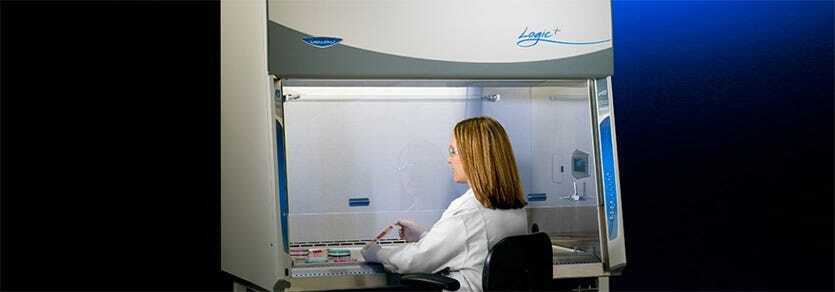
    The United States Center for Disease Control (CDC) has developed guidelines to classify laboratory applications conducted with potentially hazardous biological microorganisms. These levels range from Biosafety Level 1 (the least hazardous) to Biosafety Level 4 (the most hazardous). In addition to …

    Read more »
  2. Two Leading Decontamination Methods: UV-C vs. HPV

    Two Leading Decontamination Methods: UV-C vs. HPV

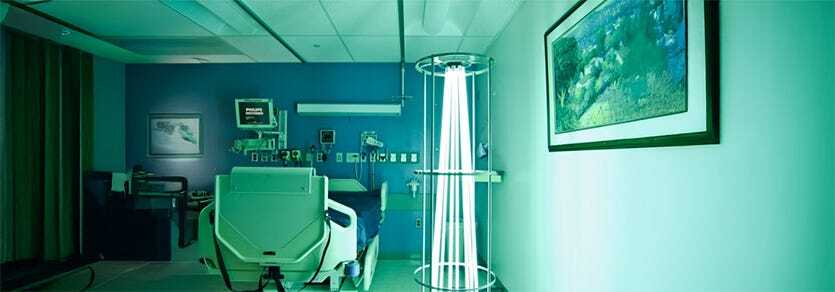
    Methicillin-Resistant Staphylococcus aureus (MRSA) bacterium. Photo credit: CDC Controlling microbial contamination is one of the leading concerns in research, clinical, and medical facilities. Microorganisms (hazardous or not) can put personnel, patients and caregivers at risk. In hospital and …

    Read more »
  3. Moisture-Free Storage: Nitrogen or Desiccant?

    Moisture-Free Storage: Nitrogen or Desiccant?

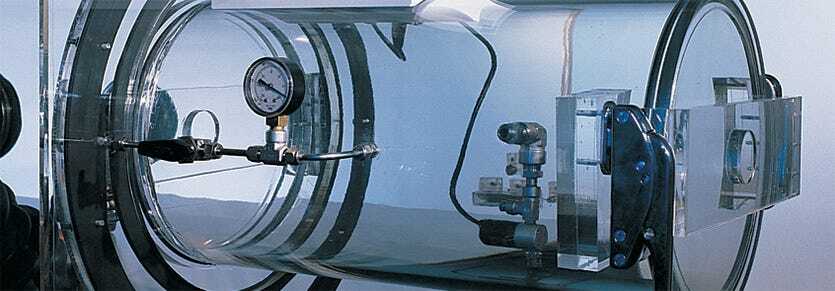
    Desiccators, sometimes called dry boxes, provide a low-humidity atmosphere for storage of items and materials that would otherwise be damaged by moisture. Desiccators are used for a wide range of applications across several scientific disciplines. In chemistry and biology, desiccators are often …

    Read more »
  4. Sonicators: How these agitating lab instruments work

    Sonicators: How these agitating lab instruments work

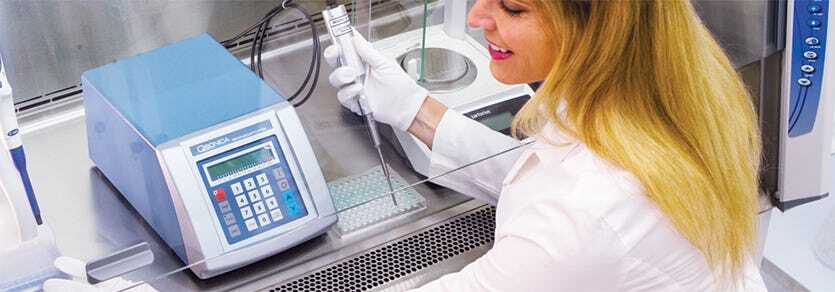
    Sound as Energy Energy comes in many forms. One of those is sound energy, which manifests as vibration. For example, we can hear a loud noise because receptor cells in our ears translate vibrations from sound energy into brain-bound electrical signals. Most sound waves lie outside our range of …

    Read more »