Worldwide Pricing and Secure Global Shipping Available!

  1. Cleanroom Installation Methods, DIY Strategy, and Planning Tips

    Cleanroom Installation Methods, DIY Strategy, and Planning Tips

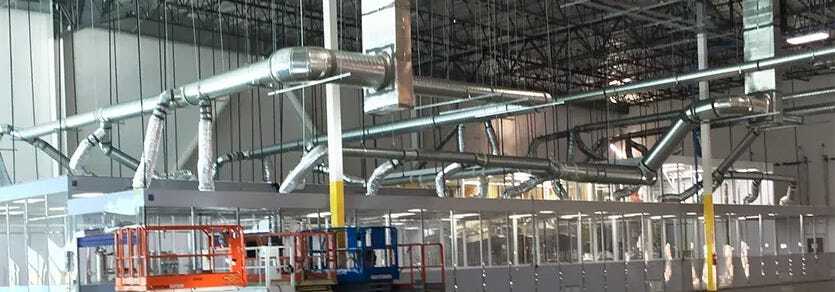
    Cleanroom Installation and Pre-Construction Planning A cleanroom is a controlled, enclosed environment that is usually constructed inside of an existing building space. At minimum, hardwall cleanroom construction packages will include walls, windows, doors, a ceiling grid, ample lighting, and fan …


    Read more »
  2. Cleanroom FAQs

    Cleanroom FAQs

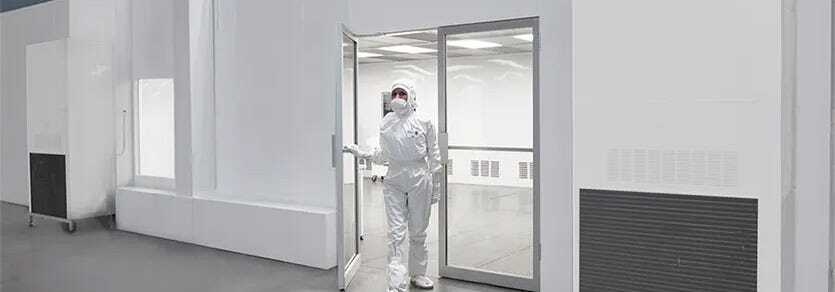
    Table of contents How does a cleanroom work? What are the big differences between hardwall cleanrooms and softwall cleanrooms? Which is cleaner, a hardwall cleanroom or a softwall cleanroom? How is cleanliness measured? If I buy one class now, can I make the cleanroom cleaner later? How clean do I …

    Read more »
  3. Cost-Effective Environmental Monitoring for CGMP and GLP Requirements

    Cost-Effective Environmental Monitoring for CGMP and GLP Requirements

    Cleanroom monitoring systems are quickly becoming a feature expected for all modular cleanrooms, especially given the cGMP and GLP requirements for environmental reporting. Not every facility requires arrays of sensors for temperature, particulate, humidity, and pressure differential. The cost of a …

    Read more »
  4. Cleanroom HVAC Design Principles - Best Practices and Common Mistakes

    Cleanroom HVAC Design Principles - Best Practices and Common Mistakes

    In the United States, ISO 14644-1 is regarded as the gold standard for cleanroom construction. Cleanroom standards help define and measure expected outcomes but do not always provide a clear roadmap on how to achieve them. In parallel, GMP, IEST, USP, EU, and ASHRAE standards may provide more …

    Read more »
  5. Cleanroom Power Distribution Units: A Simpler Method for Cleanroom Electrical Design

    Cleanroom Power Distribution Units: A Simpler Method for Cleanroom Electrical Design

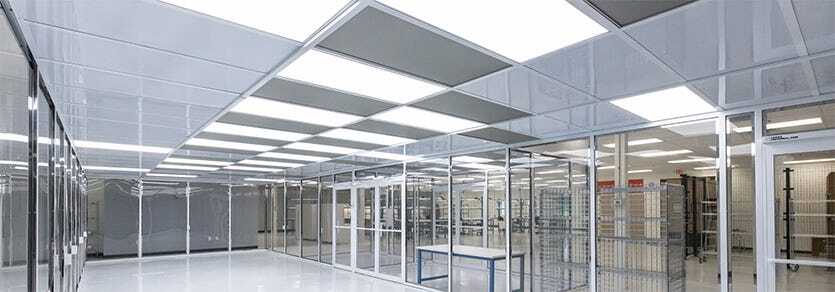
    Is Hand Wiring Cleanroom Lights and Fan Filters a Thing of the Past? The Case for Modular Power Distribution The cleanroom ceiling grid (shown above) is completely filled with HEPA-filtered fan units, lights, and ceiling tiles. A construction team installing or retrofitting this room – whether the …

    Read more »
  6. ISO 14644 Types of Cleanrooms & Components | Comparison & Features Guide

    ISO 14644 Types of Cleanrooms & Components | Comparison & Features Guide

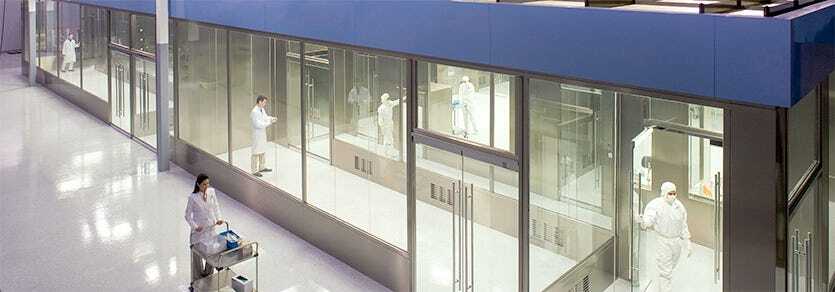
    Overview: For companies considering the installation of a cleanroom, there are two primary design options: stick-built (brick-and-mortar) and modular construction. Since the first cleanrooms were installed in the 1960s, more companies have opted for stick-built rooms. However, modular systems are …

    Read more »
  7. Isolation vs. Containment Cleanrooms

    Isolation vs. Containment Cleanrooms

    The difference between isolation and containment typically identifies the type of airflow design within the environment. In practice, a cleanroom may require both positive and negative pressure systems within a single cleanroom suite. - An isolation cleanroom is a positive pressure room appropriate …

    Read more »
  8. Cleanroom Best Practices: 18 Rules For Cleaner Controlled Environments

    Cleanroom Best Practices: 18 Rules For Cleaner Controlled Environments

    Check out our list of Dos and Don’ts in a cleanroom, a summary of cleanroom best practices for making the controlled environment function at peak performance. These are good resources for new cleanroom operators or those unsure about what steps to take in a cleanroom environment. Cleanroom Best …

    Read more »
  9. Cleanroom Design that Terra Recommends

    Cleanroom Design that Terra Recommends

    Terra Universal will certify its cleanrooms to guarantee “as built” compliance with cleanliness standards. What matters, though, is how the cleanroom performs in real world applications—in your application, with your personnel and processing equipment. Careful consideration of these operating …

    Read more »
  10. Biological Safety Levels: BSL-1, BSL-2, BSL-3, BSL-4

    Biological Safety Levels: BSL-1, BSL-2, BSL-3, BSL-4

    What is BSL? Biological Safety Level (BSL) is a biocontainment designation system with requirements intended to protect personnel from potentially harmful pathogenic exposure in a research or manufacturing environment. What are the differences among the BSL designations? The Centers for Disease …

    Read more »