- +1 (714) 578-6100
Mon-Fri, 7am - 6pm PST
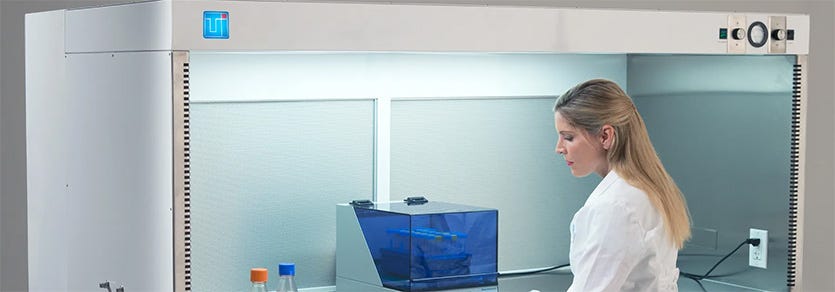
Cleaning a laminar flow hood sounds like a self-explanatory task, but there are plenty of factors to consider when the stakes of sterilization include the integrity of your products. Even more importantly, a clean laminar flow hood helps ensure the safety of patients and consumers on the receiving end of those products.
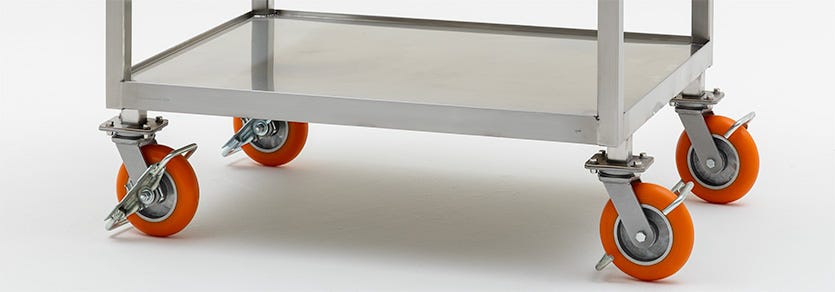
If you've ever inspected the feet and casters of typical office equipment, most are inhabited by a fine layer of dust, organic matter, and detritus. In most environments, objects that come in contact with the floor are expected to be dirty. In cleanrooms, maintaining ultra clean flooring is a key battleground in preventing the continual spread of contamination from one workstation or work area to another.
The appropriate choice of cleanroom chairs, carts, ladders and other free-standing equipment will ultimately affect the lifespan, ease of cleaning, and overall aesthetic of a cleanroom floor. Casters and leveling feet are particularly important for cleanroom floors with sensitive antibacterial or ESD surface coatings.
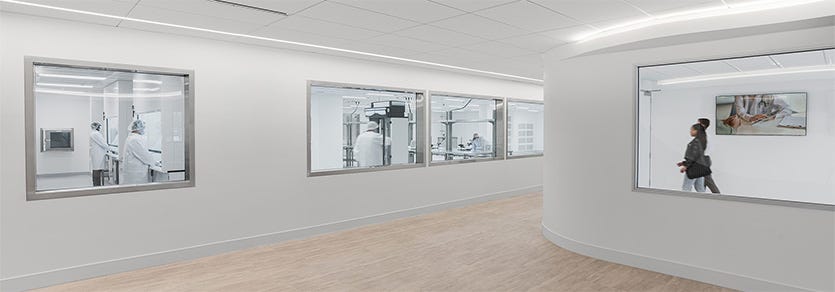
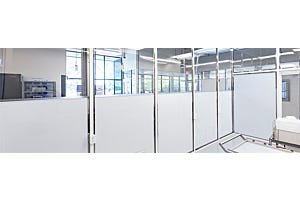
Terra Universal’s cleanroom windows are designed for quick and easy installation into stick-built or modular cleanrooms. Configured for health care, pharmaceutical, and CGMP facilities, Terra’s cleanroom windows are easy-to-clean, hygienic, support aseptic environments and enhance the visibility of operations and foot traffic.
Terra’s broad portfolio of cleanroom window designs includes flush-mount, crevice-free, frameless BioSafe windows, economical, framed ValuLine windows, and special-application designs including UL-listed and fire-rated windows. Switch Glass windows and internal blinds are optional for high privacy areas.

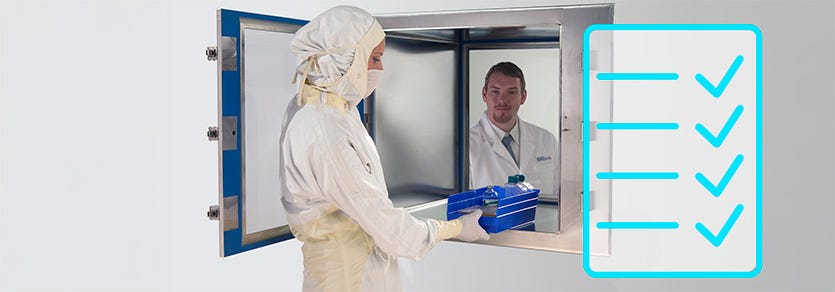
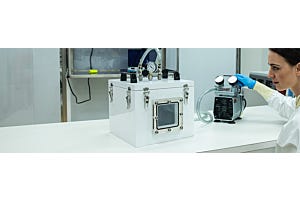
Passthrough chambers are used in cleanrooms and controlled environments across countless industries and applications. Passthrough cabinets have many benefits. Aside from reducing foot traffic in controlled areas, they also help meet special cleanliness, safety, and security requirements in different industries. For instance, pharmaceutical cleanrooms require compliance with USP <797> and USP <800> guidelines for compounding sterile medications and hazardous drugs. Other cleanrooms and labs handling biohazards require similar strict sterilization protocols, plus autoclave-safe designs. Facilities manufacturing sensitive electronics may not require frequent sterilization, but may have other special requirements for ESD-safety and controlled air spaces to minimize particle counts inside the cleanroom.
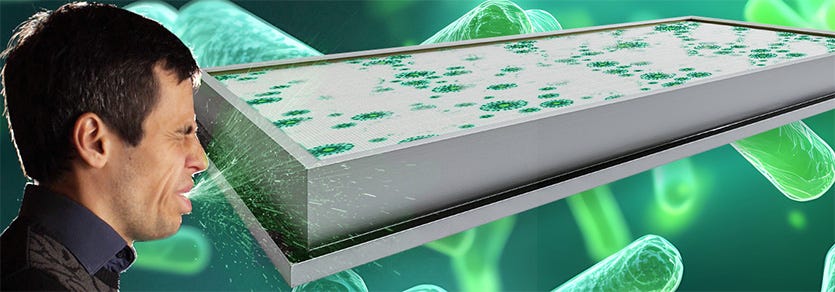
Most cleanroom professionals understand that FFUs capture contaminants that degrade particle-sensitive samples. But they also remove bacteria and many viruses and mold spores that contribute to a host of infections.
Most common bacteria are contained by the 0.3-micron pore size of high-efficiency particular air (HEPA) filters. Ultra-Low Penetration Air (ULPA) filters, which are rated 99.999% efficient at retaining particles of 0.12 microns and larger in diameter, capture ultra-fine contaminants, including many large viruses and mold spores.
These filters also remove aerosol-born pathogens—germs that literally hitch a ride on larger
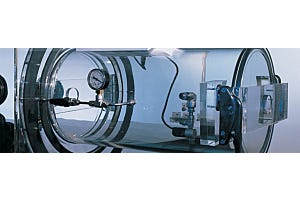
Use this glovebox features comparison chart to help choose the best glovebox system for your application and budget.
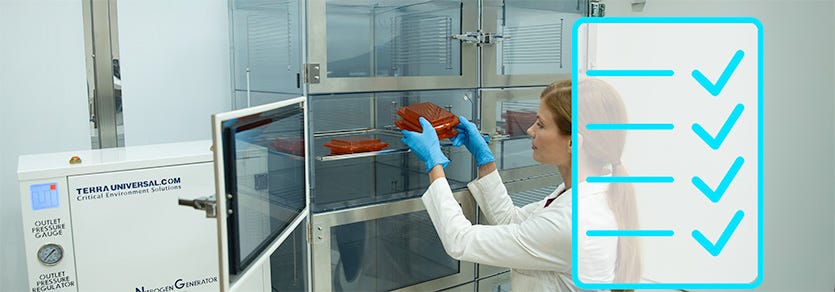
You need to protect sensitive samples, but you don’t want to overpay. Below is a list of application descriptions to help choose the best desiccator storage system for your application and budget.
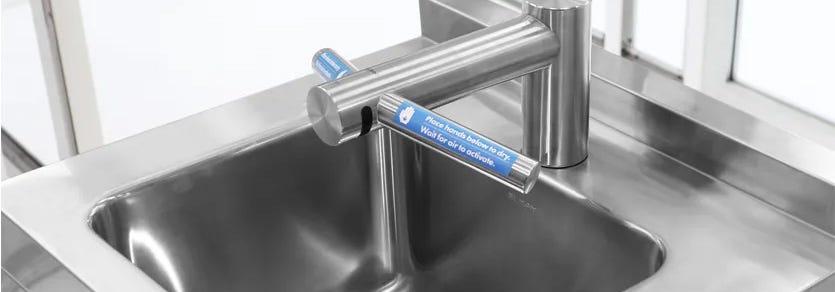
As humans are the primary source of contamination in cleanroom and lab environments, cleanroom-compliant hand washers, sinks and hand dryers play a critical role in reducing bioburden and viable particle counts within sterile spaces.
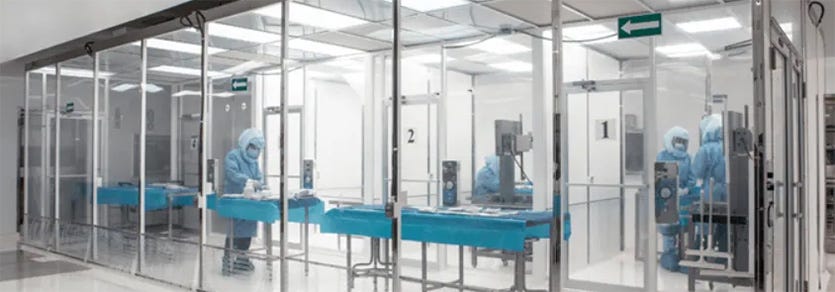
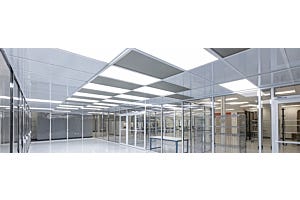
A cleanroom is a controlled, enclosed environment that is usually constructed inside of an existing building space. At minimum, hardwall cleanroom construction packages will include walls, windows, doors, a ceiling grid, ample lighting, and fan filter units to supply HEPA filtered air.